
Tour or activity
Bateaux Mouches® Dinner Cruise on the Seine River in Paris
4.4 / 5 · 5,255 reviews · 3 hours
From $141.42View experience →
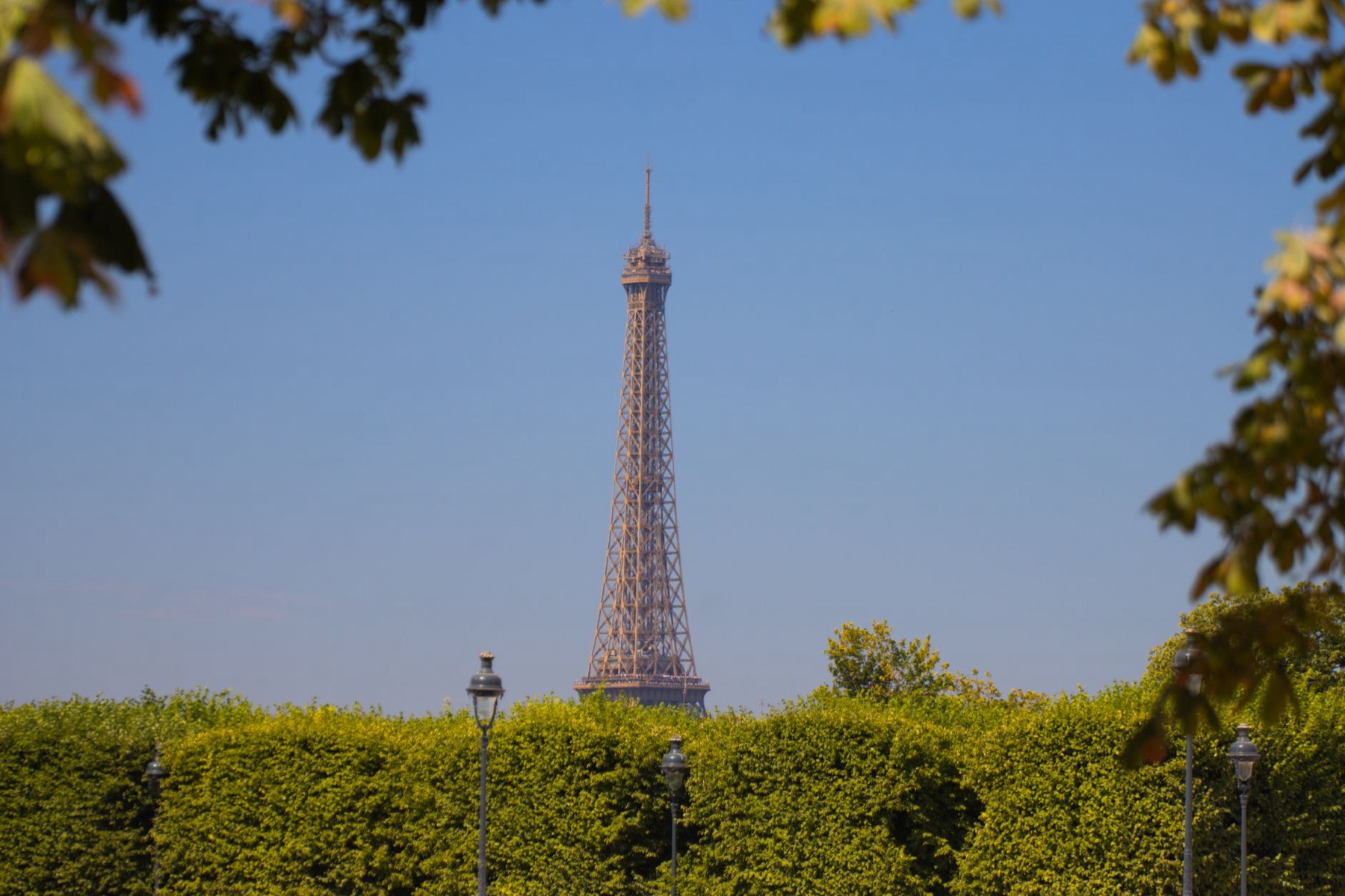
Europe · France
Spring and early autumn are the most pleasant, with mild days and cafe weather. Summer is warm and busy, and winter is cool, gray, and quieter, with holiday lights in December.
Nonstop flights from many US cities into Charles de Gaulle; connections from elsewhere.
Paris is best explored neighborhood by neighborhood, balancing major museums and monuments with time along the Seine. Its compact historic center, extensive Metro, and strong cafe culture make it workable for a first visit or a return trip.
Le Maraishistoric, stylish, walkableLe Marais has narrow historic streets, museums, boutiques, and a wide choice of casual food stops. It suits first-time visitors who want central access without staying directly beside the busiest monuments, and travelers who enjoy wandering after dinner.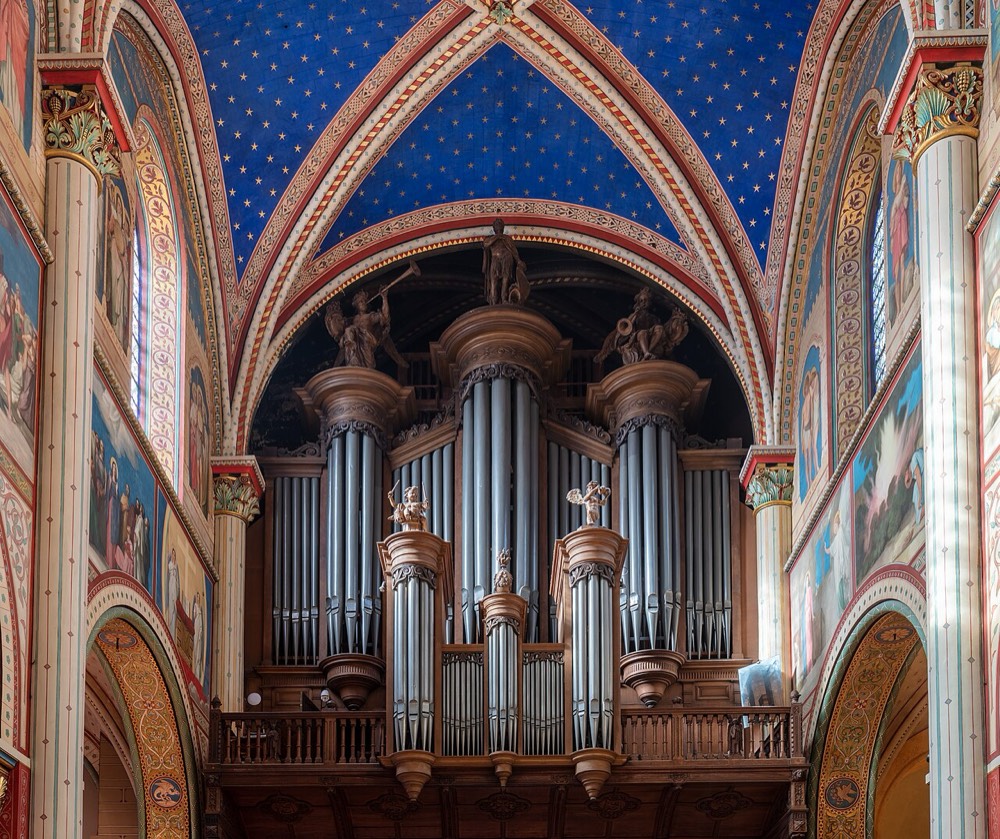 Saint-Germain-des-Presclassic, literary, polishedSaint-Germain-des-Pres sits on the Left Bank near galleries, bookshops, museums, and the Seine. Its central position works especially well for couples, art-focused visitors, and anyone who wants to spend long stretches exploring on foot.
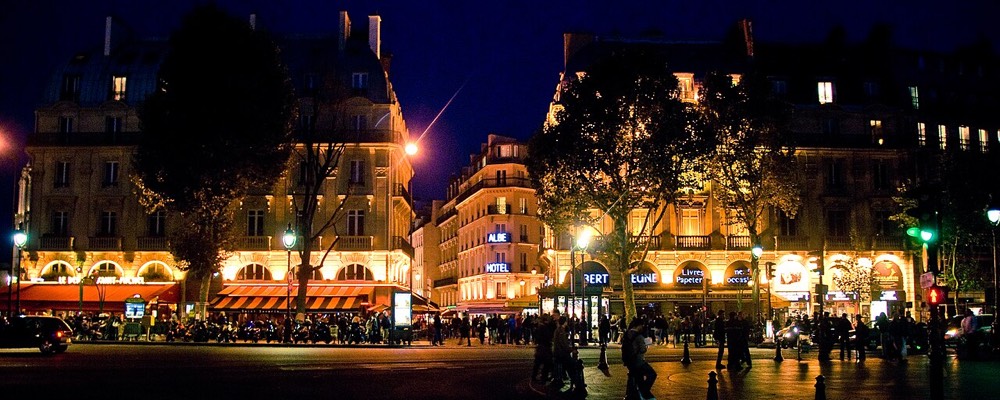 Latin Quarterlively, historic, student-filledThe Latin Quarter mixes old streets, university life, the Pantheon, and access to the Luxembourg Gardens. It has a less formal feel than Saint-Germain and works for travelers who like a busier neighborhood with many walkable sights nearby.
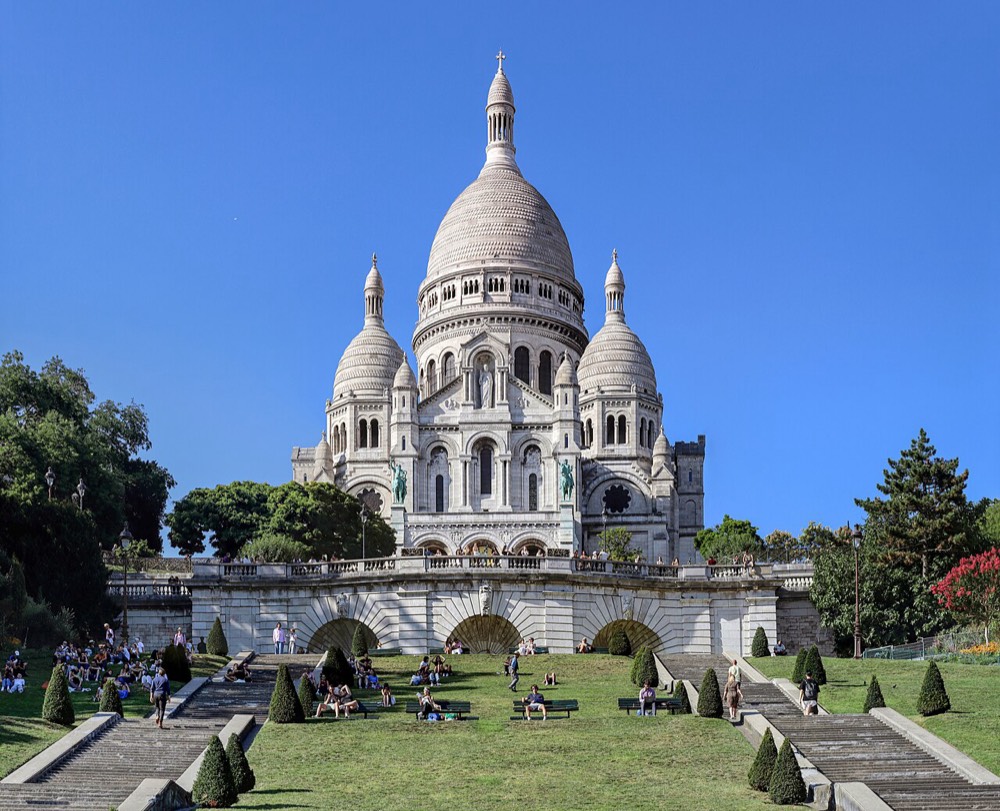
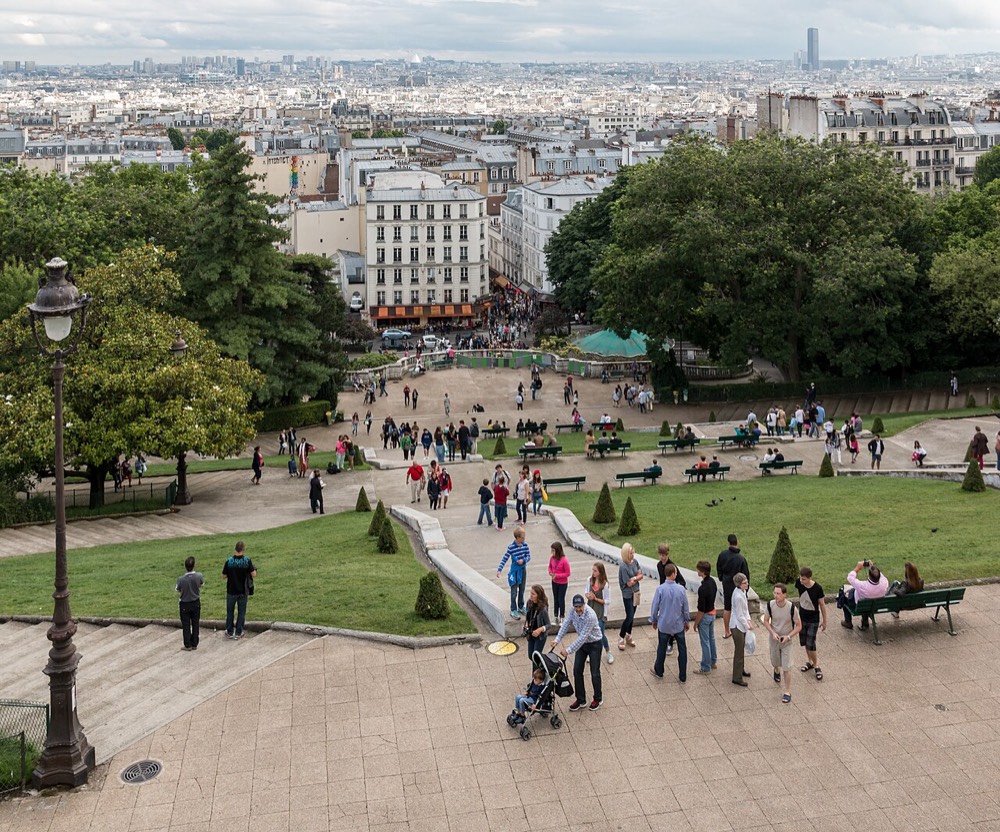 Montmartrehilltop, artistic, residentialMontmartre offers village-like streets, Sacre-Coeur views, and a more residential mood north of the center. It is a good choice for repeat visitors and photographers, though its hills and longer Metro rides are less convenient for packed sightseeing days.
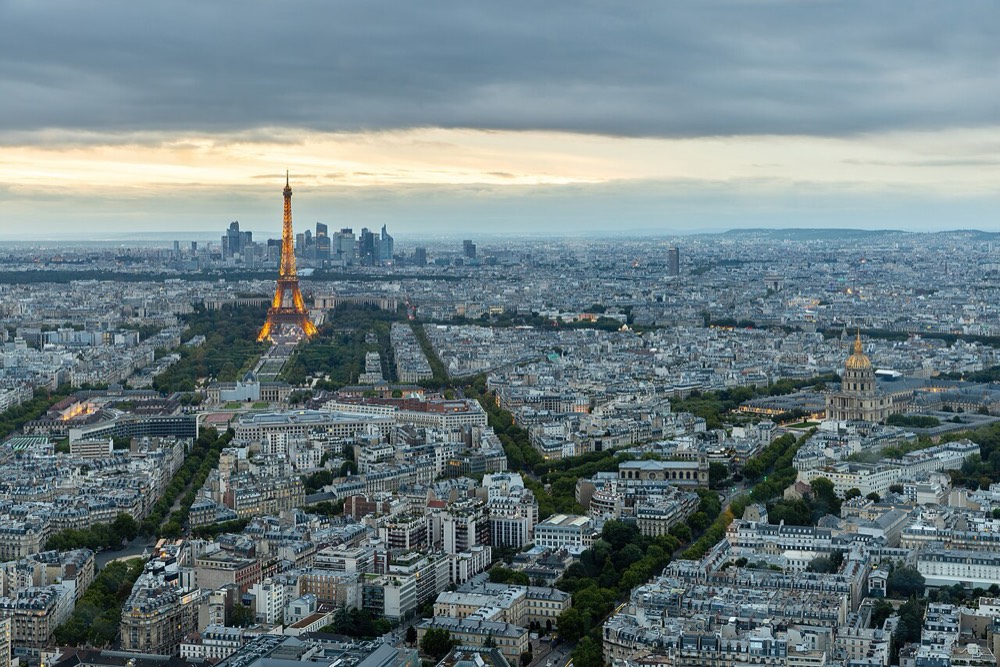 7th Arrondissementelegant, calm, landmark-closeThe 7th Arrondissement includes the Eiffel Tower, Champ de Mars, and several major museums, with calmer streets after dark. It suits travelers prioritizing a quieter base near landmark walks, although neighborhood variety can feel more limited than in central districts.
March to May
June to August
September to November
December to February
Winter, outside the year-end holidays, usually brings lower demand and a quieter city. Late autumn and early spring can also offer better value than summer, while school holidays and peak summer generally cost more.
Check tour datesLate spring and early autumn often balance mild weather with manageable crowds. Summer has the longest days but generally feels busier.
Five days covers the central highlights at a comfortable pace. A week allows room for neighborhoods, smaller museums, and Versailles.
Central tourist areas are generally manageable with standard city awareness. Watch belongings in crowds, on public transit, and at outdoor tables.
No. The Metro, buses, taxis, and walking cover the city far more easily than driving and parking.
France uses the euro. Cards are widely accepted, but carrying a small amount of cash can help for minor purchases.
Yes, especially with a flexible pace. Parks, river walks, markets, and kid-friendly museum routes help break up formal sightseeing.
Make a day of it
Tour or activity
4.4 / 5 · 5,255 reviews · 3 hours
From $141.42View experience →

Tour or activity
4.5 / 5 · 13,618 reviews · 2.5 hours
From $67.52View experience →

Tour or activity
4.6 / 5 · 3,665 reviews · 1.5 hours
From $57.10View experience →

Tour or activity
4.4 / 5 · 4,682 reviews · 3 hours
From $73.24View experience →

Tour or activity
3.9 / 5 · 7,031 reviews · 2.3 hours
From $44.63View experience →

Tour or activity
5.0 / 5 · 7,214 reviews · 2.5 hours
From $72.10View experience →
Prices supplied by Viator. Check dates and final prices before booking. We may earn a commission.