

Tour or activity
St. Lucia Land and Sea Tour
4.7 / 5 · 2,060 reviews · 6.5 hours
From $125.00View experience →
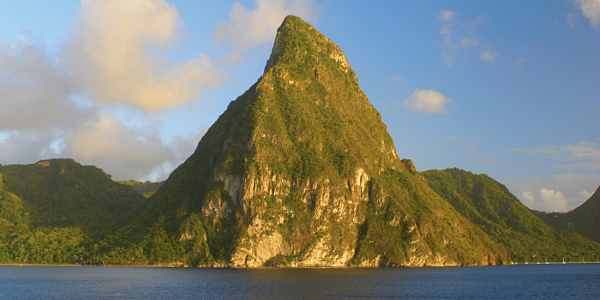
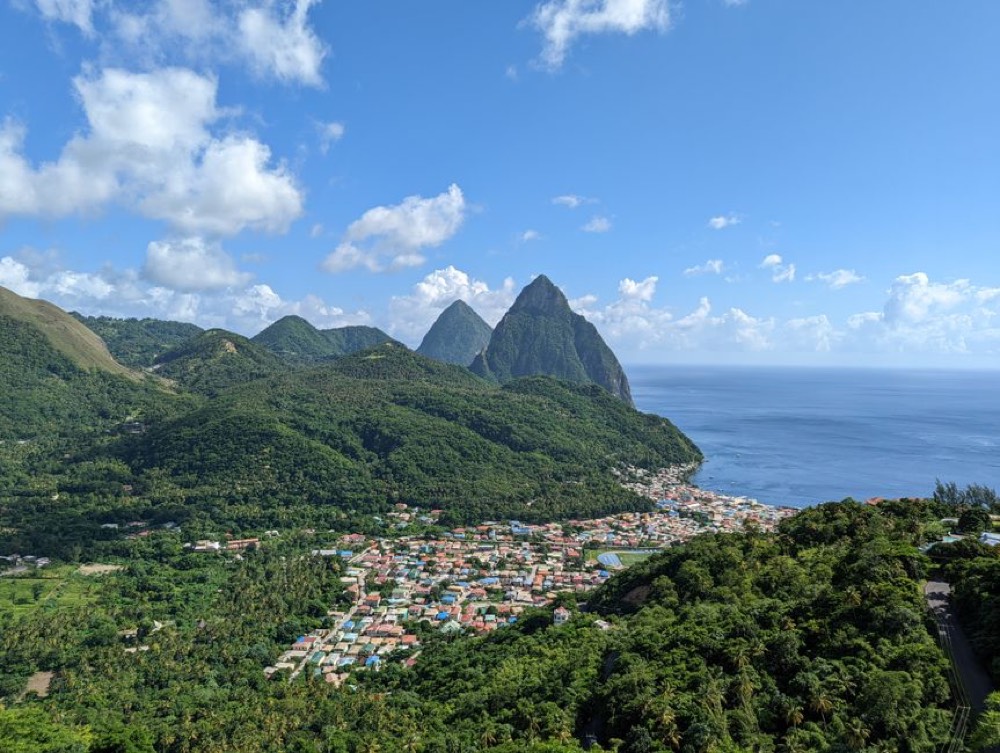
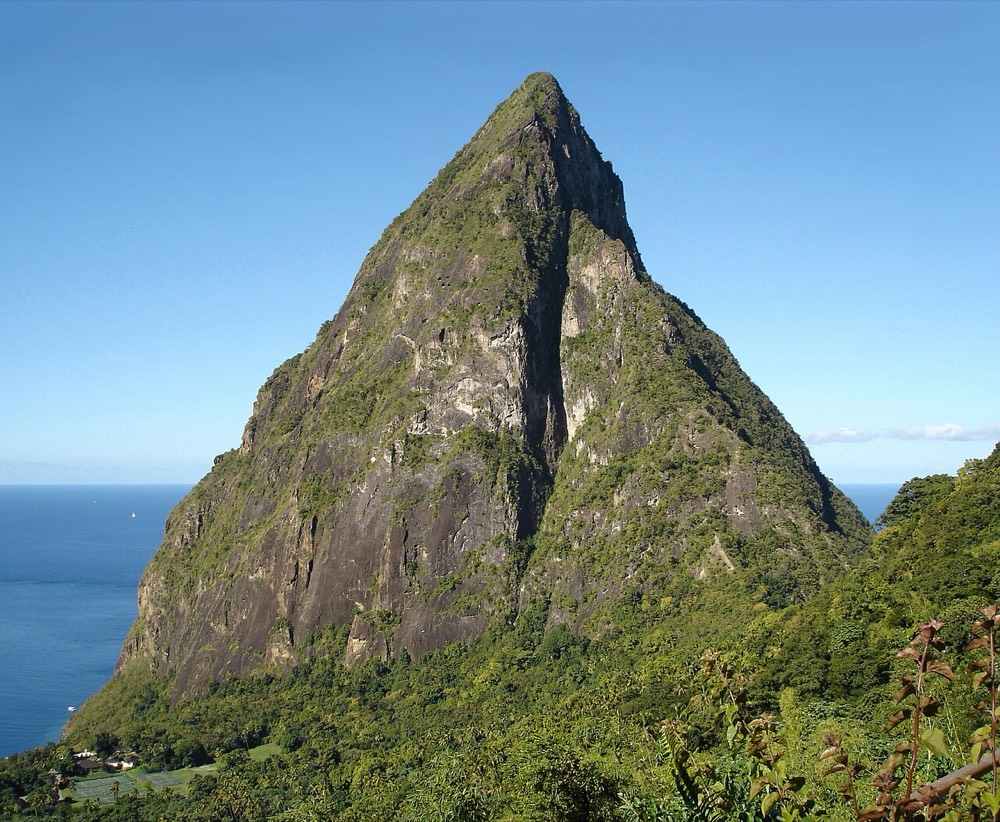
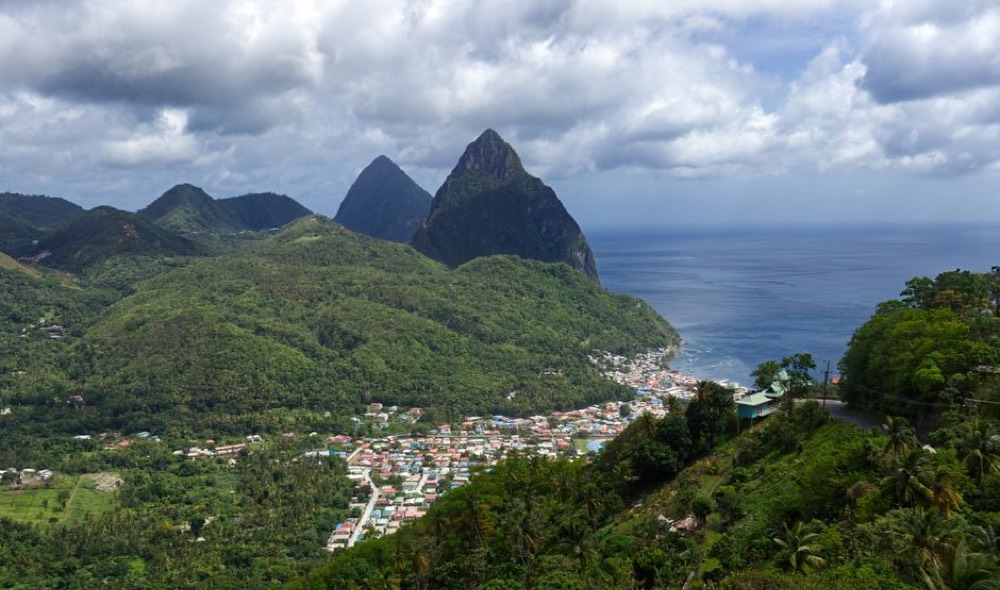
Twin peaks, rainforest, and sheltered bays
Caribbean · St. Lucia
Warm all year. The rainier season generally runs from June into December, and hurricane season runs from June through November, and the island lies toward the southern edge of the usual storm track.
Nonstop flights from several East Coast and major US hubs into Hewanorra; West Coast trips usually need a connection, so check current airline schedules for your departure city.
St. Lucia is a mountainous eastern Caribbean island where the Pitons, rainforest, and volcanic landscapes are as central to the trip as the beach. Most travelers divide time between the north around Rodney Bay and the southwest around Soufriere, accepting longer transfers in exchange for very different scenery.
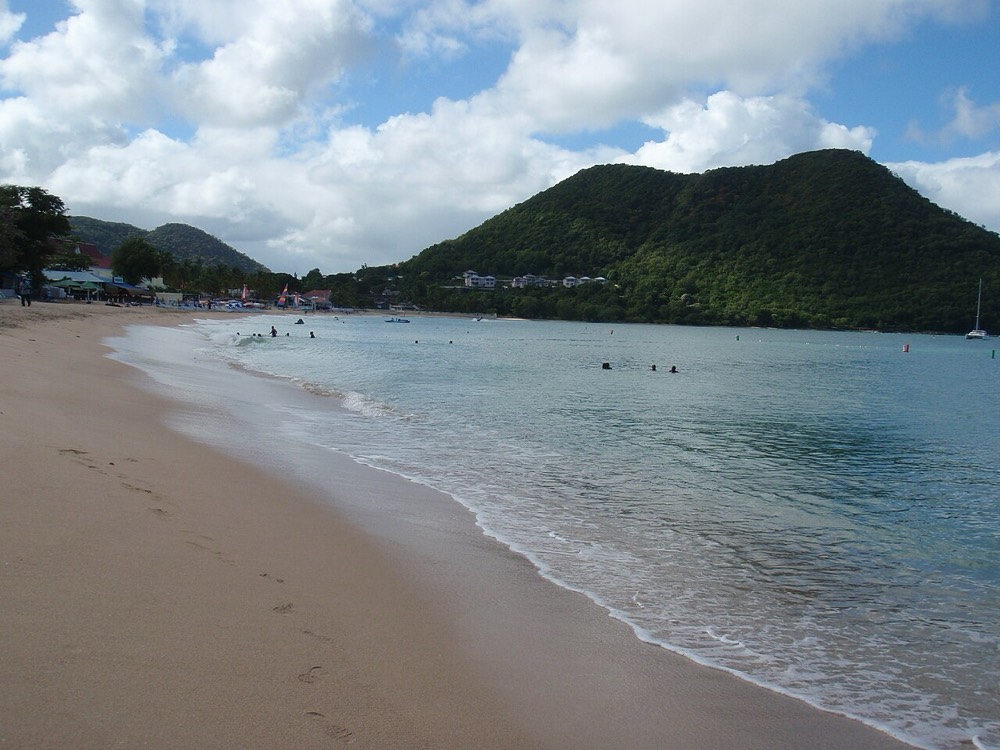
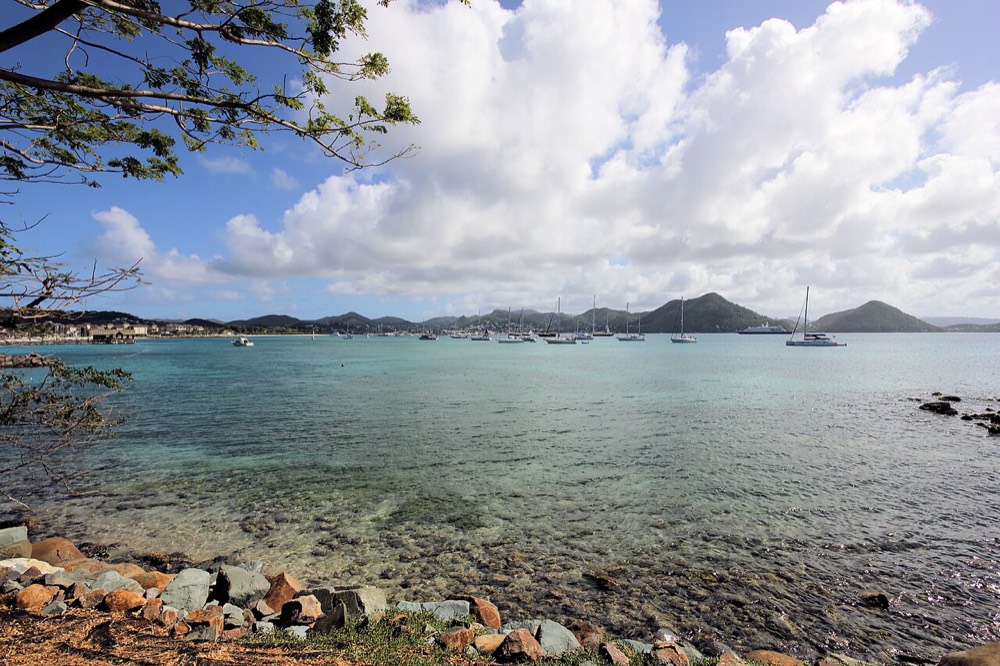 Rodney BayLively, convenient, beachyRodney Bay is the main north-island base, with Reduit Beach, a marina, restaurants, and relatively easy access from George F. L. Charles Airport. It suits first-time visitors who want a mix of beach days and evening options. The Pitons and Soufriere are a longer day trip from here.
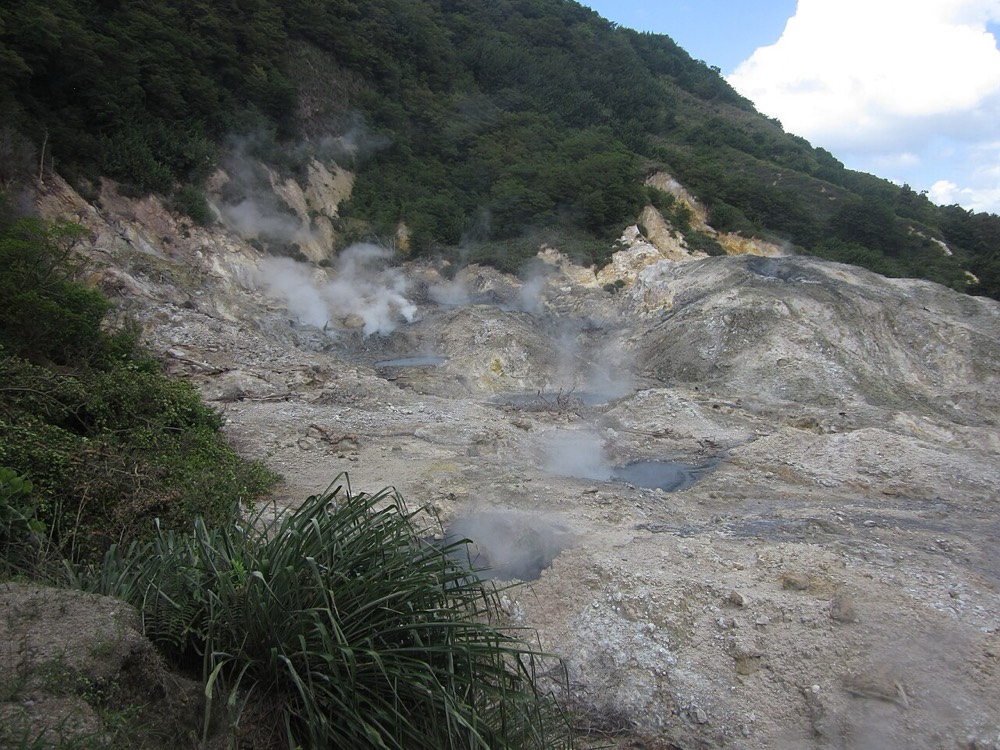
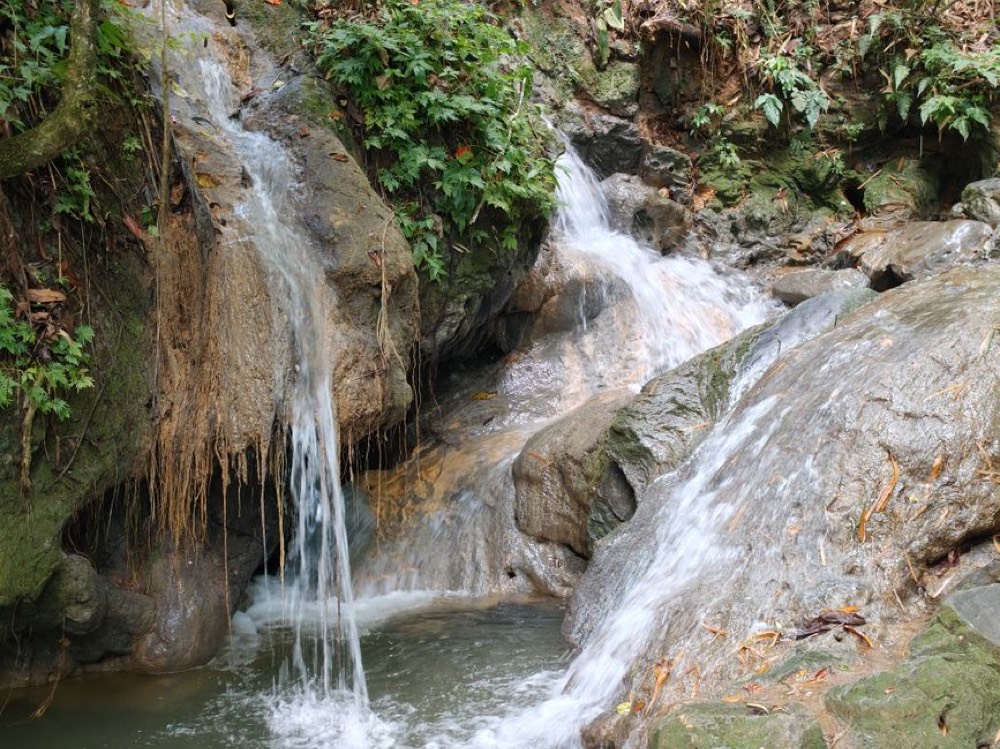
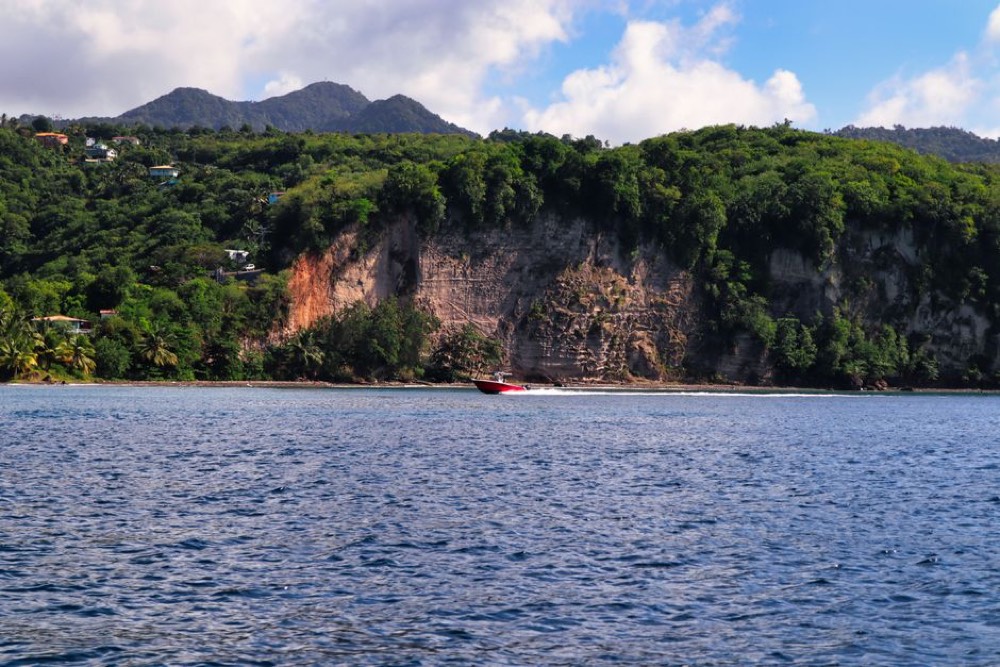
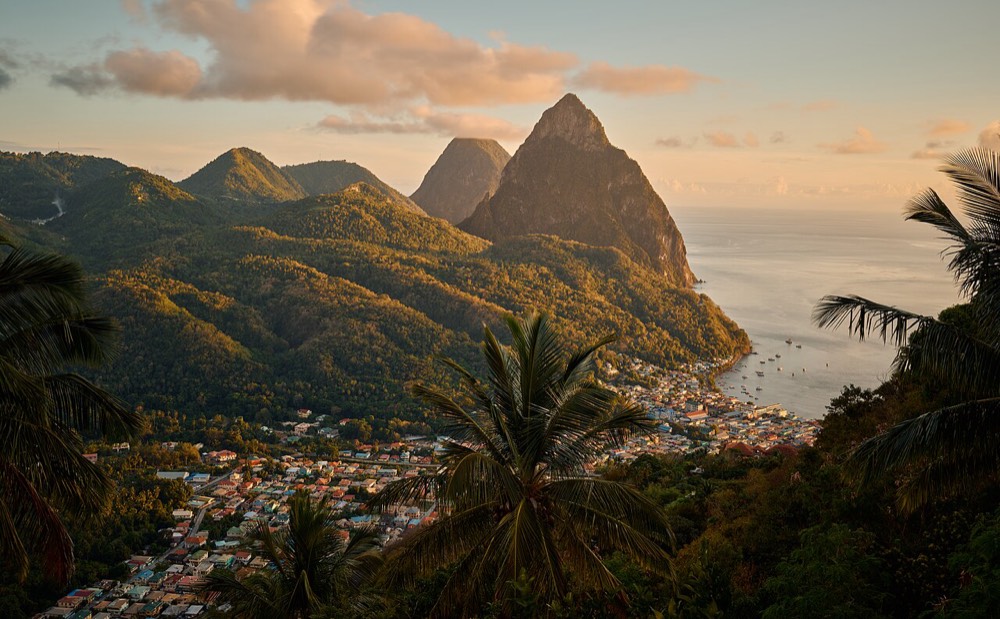 SoufriereScenic, lush, dramaticSoufriere is the best base for the Pitons, Sulphur Springs, waterfalls, and west-coast boat outings. It suits couples, hikers, and travelers who prioritize landscape over quick airport access. Roads are winding and transfers take time, but the scenery is the point of staying here.
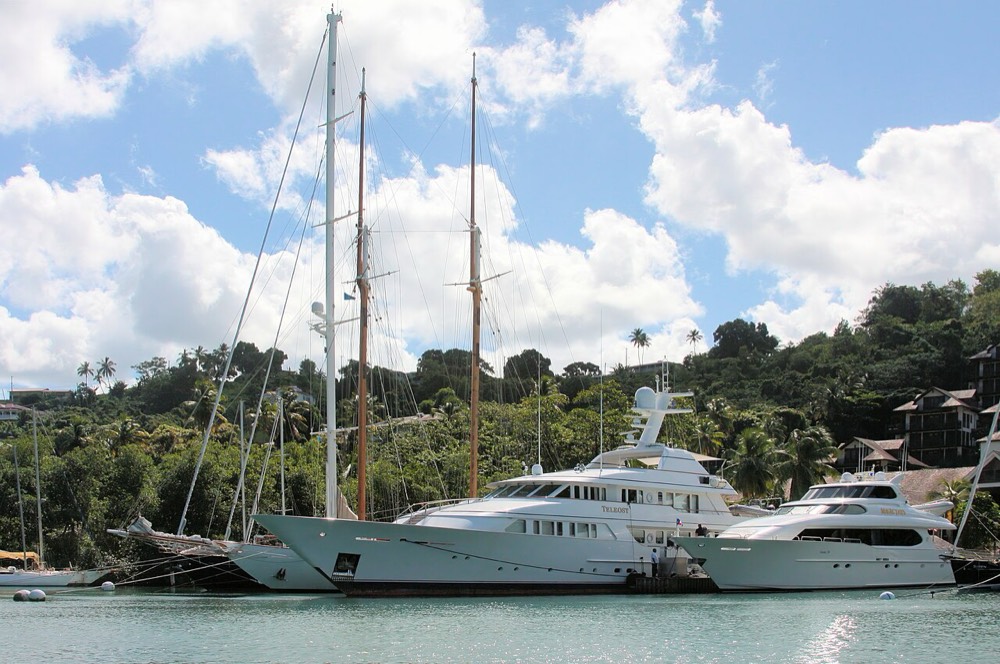
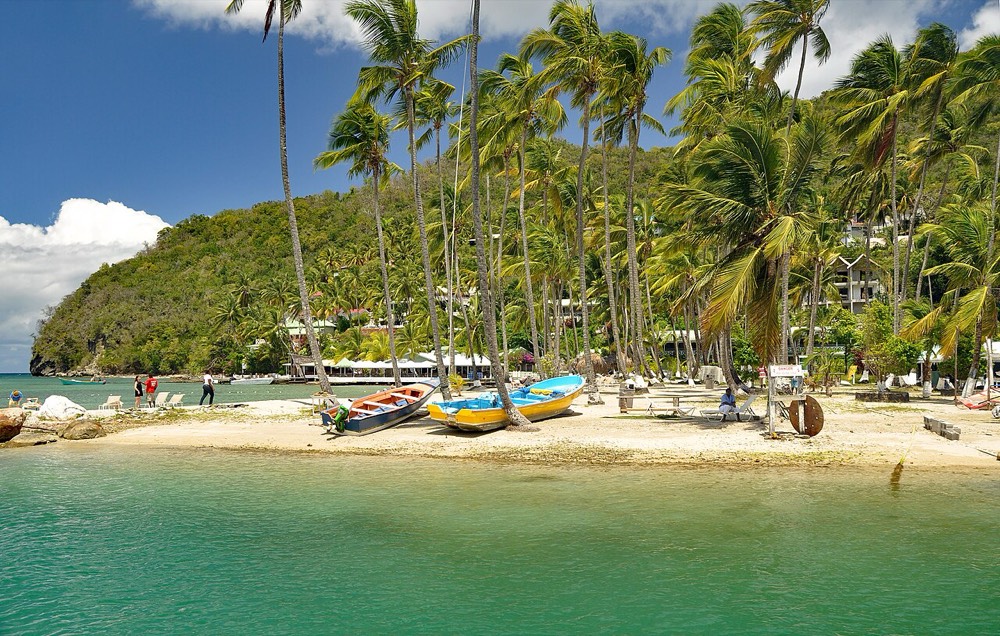 Marigot BaySheltered, scenic, quietMarigot Bay is a small, picturesque harbor on the west coast between Castries and Soufriere. It works for travelers who want a tranquil boating atmosphere and easy west-coast views, though it has fewer services than Rodney Bay. Plan on drivers or taxis for most sightseeing beyond the bay.
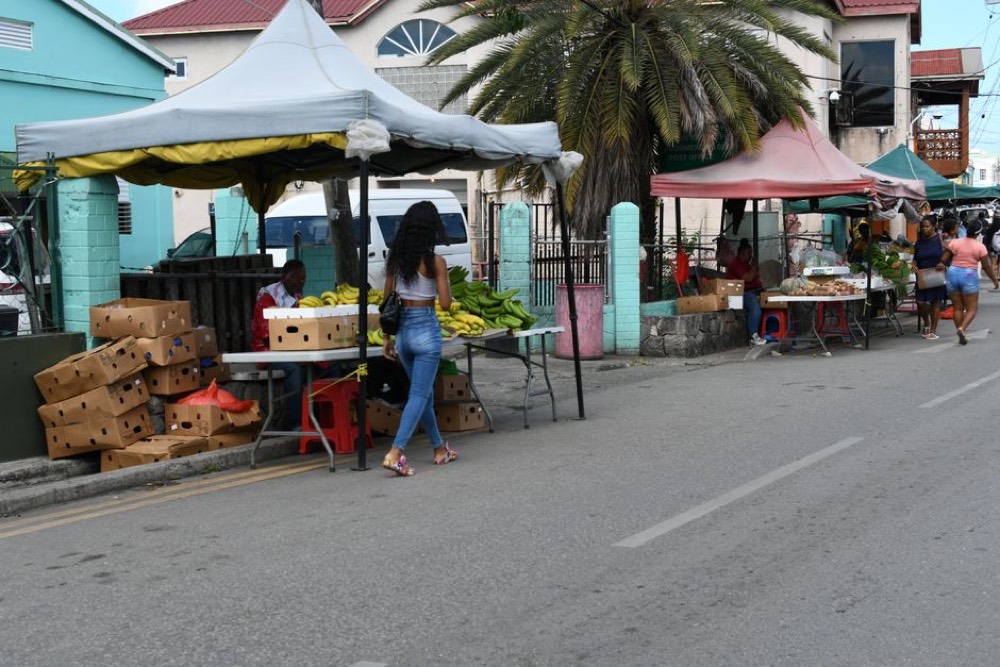
 CastriesUrban, local, centralCastries is St. Lucia's capital and main port, with markets, transit connections, and a working-city atmosphere. It is practical for short stays or travelers who want local color, but it is not the island's primary beach base. Use it as a daytime sightseeing stop or transport hub.
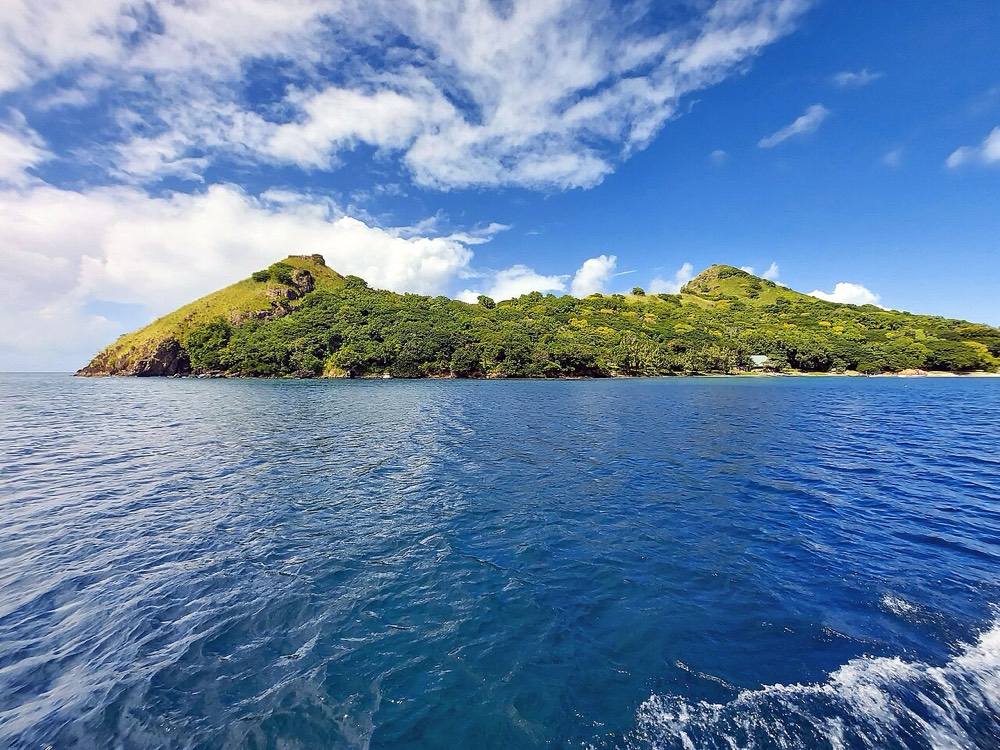
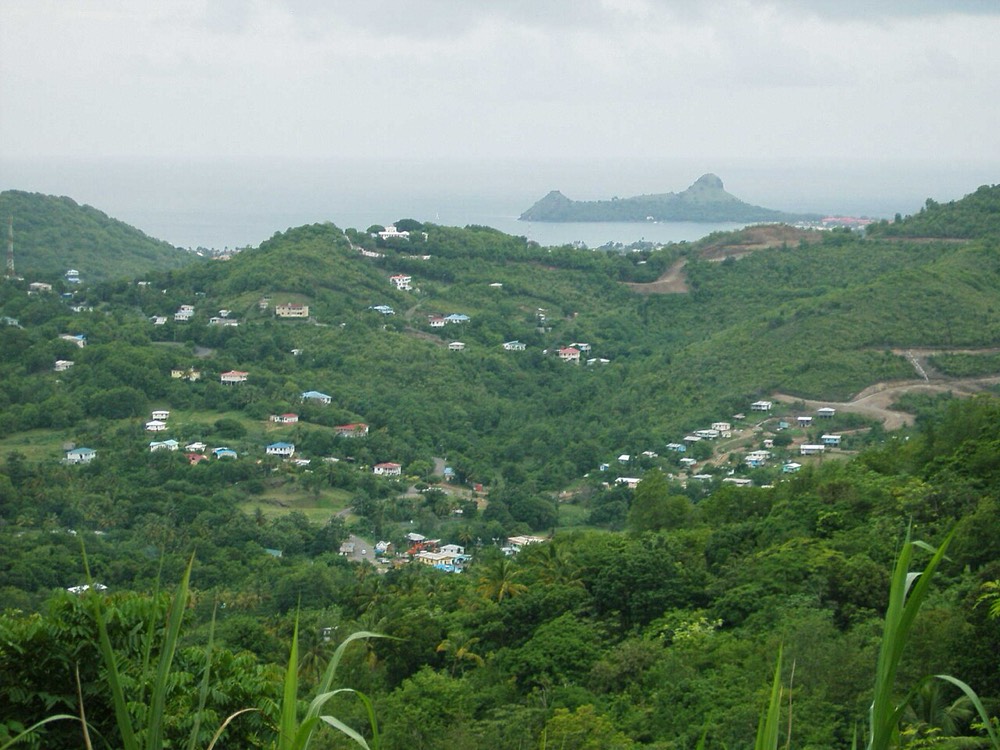 Gros IsletSocial, coastal, energeticGros Islet sits near Rodney Bay and offers beach access, local food, and a more social north-island rhythm. It suits travelers who want to be near Friday-night activity and Pigeon Island while avoiding the most central marina setting. Transport is still useful for south-island attractions.
December through April
May through June
July through November
Late spring and the wetter months often have lower overall trip costs than the dry winter peak, excluding holiday periods. The most reliably sunny season and major holiday weeks generally cost more, while summer and fall can offer better value with greater rain and storm risk.
Check tour datesDecember through April is generally the driest period and most popular for beach travel. May and June can offer a greener landscape with fewer visitors and more passing showers.
Five days covers one coast, a Soufriere day, and a boat outing. Seven days makes it easier to divide time between north-island beaches and the Pitons area.
Visitors should use normal travel precautions, including reputable transport, secure valuables, and avoiding isolated areas at night. Ask your accommodation for current local guidance when planning independent outings.
No, if you prefer transfers and guided outings. A car provides flexibility, but the left-side driving and winding roads make it better for confident drivers.
The Eastern Caribbean dollar is the official currency, and US dollars are commonly accepted in visitor areas. Carry small notes and confirm the exchange rate before paying.
Yes, especially for families who enjoy beaches, boat trips, gardens, and easy nature walks. Consider transfer times and water conditions when choosing a base with younger children.
Make a day of it
Tour or activity
4.7 / 5 · 2,060 reviews · 6.5 hours
From $125.00View experience →

Tour or activity
4.6 / 5 · 700 reviews · 8 hours
From $145.00View experience →

Tour or activity
4.9 / 5 · 417 reviews · 3 hours
From $135.00View experience →

Tour or activity
4.7 / 5 · 584 reviews · 2 hours
From $130.00View experience →

Tour or activity
4.7 / 5 · 13 reviews · 6 hours
From $115.00View experience →

Tour or activity
4.8 / 5 · 24 reviews · 6 hours
From $120.00View experience →
Prices supplied by Viator. Check dates and final prices before booking. We may earn a commission.