Skip to content
Trips planned by a real advisor
4Vacations

Divers and snorkelers

Diving and snorkeling vacations

Clear water, healthy reefs and sea life, matched to your skill level.

The best dive and snorkel trips start with clear water and healthy reefs. After that, it comes down to what you want to see and how much experience you have. Some places have easy shore entries and calm water for new divers and snorkelers. Others are known for walls, wrecks, drift dives or big animals like manta rays and sharks. Our picks cover all of these. We help you match the place and season to your skill level and your goals. If you want to get certified on the trip, we can plan for that too. We also leave time between your last dive and your flight home.

Where it is best

Cozumel

Cozumel

Easy drift diving along long coral walls

Cozumel is one of the best known dive spots in the Caribbean. A steady current runs along the west side of the island, so most dives are drift dives where you float past coral walls with little effort. Palancar Reef is a famous area. The water is very clear and warm. Many reefs here are inside a protected marine park.
Drift divingPalancar ReefClear, warm water
Grand Cayman

Grand Cayman

Wall dives, shore dives and Stingray City

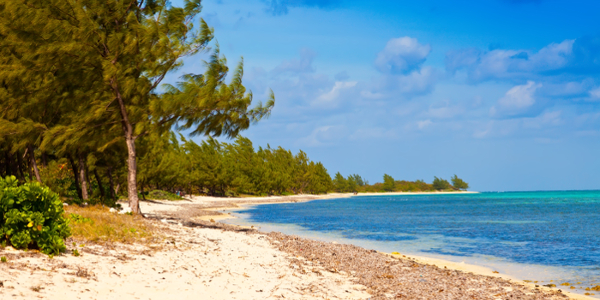
Grand Cayman has steep walls that drop into deep blue water close to shore. Many sites can be reached from the beach, which makes it easy to dive on your own schedule. Stingray City, a shallow sandbar where you can stand among friendly southern stingrays, is a highlight for snorkelers and families. The island also has good wreck dives.

Stingray CityWall divingShore diving
Belize

Belize

The barrier reef and the Great Blue Hole

Belize sits beside the second longest barrier reef in the world. Hol Chan Marine Reserve near Ambergris Caye is a favorite for snorkelers, with nurse sharks, rays and turtles. Experienced divers make the long boat trip to the Great Blue Hole, a deep round sinkhole in the sea. Outer atolls offer walls and big fish for those who want more.

Great Blue HoleHol Chan Marine ReserveBarrier reef
Roatan

Roatan

Healthy reef right off the beach

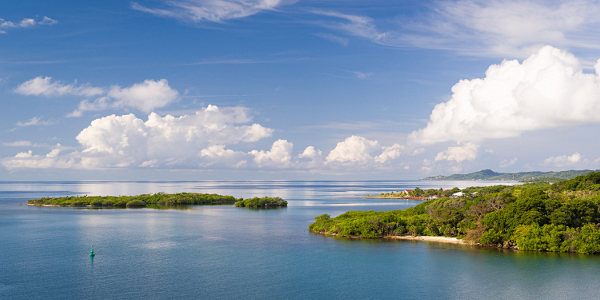
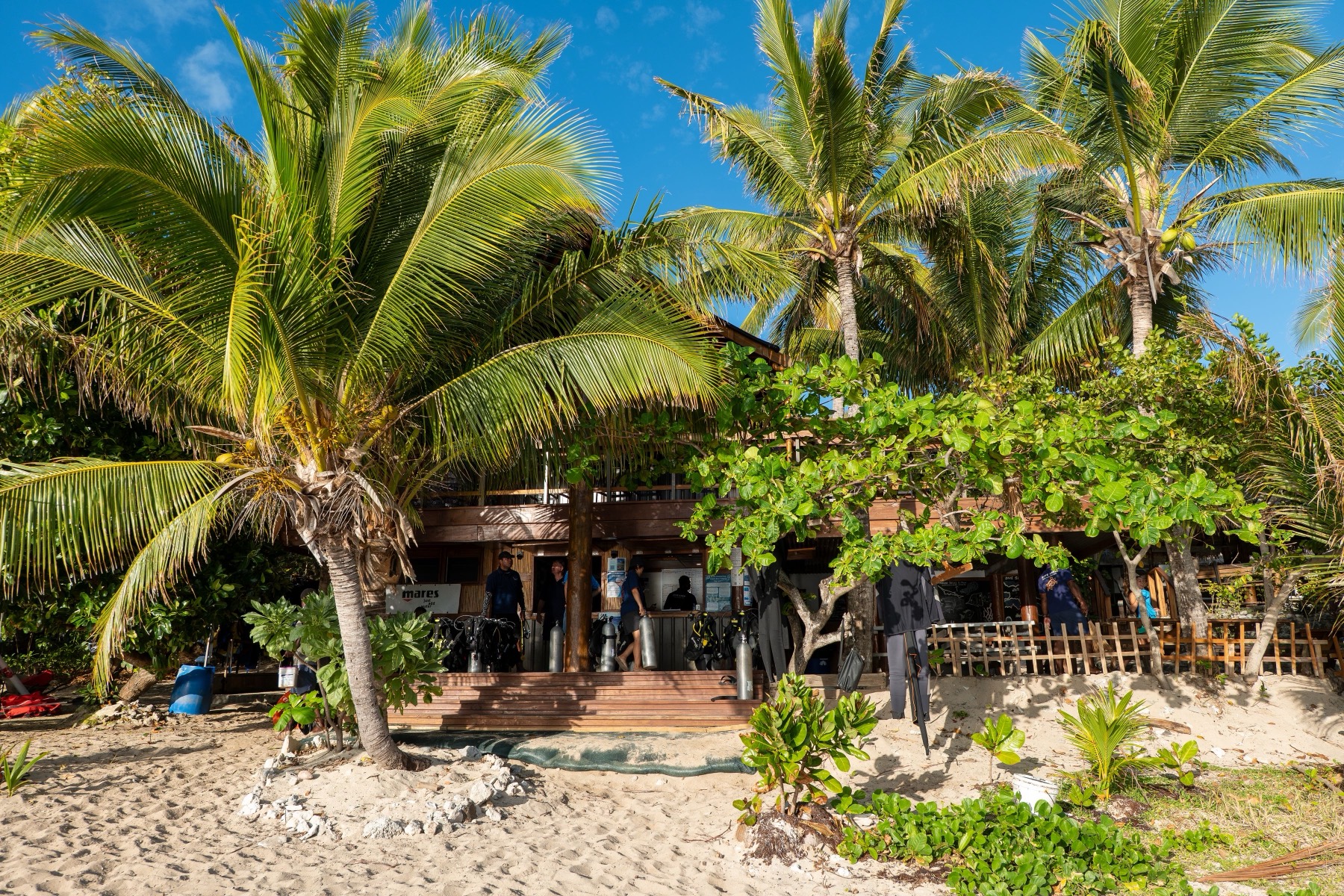
Roatan, in the Bay Islands of Honduras, sits on the same large reef system as Belize and Cozumel. In many places the reef starts just a short swim from shore. That makes it good for new divers and for people who want to get certified. The West End and West Bay areas are the main dive centers, with calm water much of the year.

Reef close to shoreGood for new diversBay Islands
Curacao

Curacao

Shore diving on a dry, calm coast

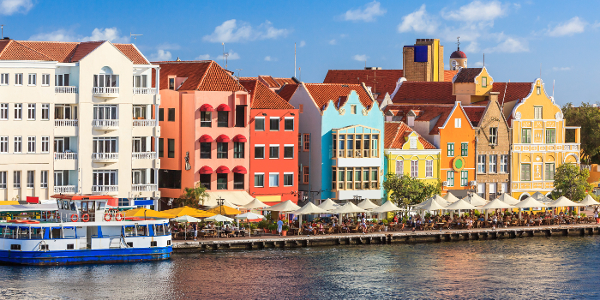
Curacao is known for shore diving. Many sites along the calm west coast have easy entries, so you can drive to a beach, walk in and dive. The island sits outside the main hurricane belt, and rain is light, so water is clear much of the year. Divers enjoy the Tugboat wreck and healthy coral close to shore.

Shore divingTugboat wreckOutside hurricane belt
Fiji

Fiji

Bright soft coral and big reef life

Fiji is often called the soft coral capital of the world. Strong currents feed colorful soft corals on reefs such as the Rainbow Reef near Taveuni. Beqa Lagoon is known for shark dives with several species. Snorkelers find calm, clear lagoons near many islands. Fiji is a long flight from the United States, so it suits a longer trip.

Soft coralRainbow ReefShark dives
Big Island

Big Island

Night dives and snorkels with manta rays

The Kona coast is famous for its manta ray night dive and snorkel. Lights draw tiny plankton, and large manta rays glide in to feed close to divers and snorkelers. Daytime dives show lava tubes, arches and reef fish found only in Hawaii. Calm bays on this side, such as Kealakekua Bay, are good for snorkeling with spinner dolphins nearby.

Manta ray night diveLava formationsKealakekua Bay
Maui

Maui

Molokini Crater and snorkeling with sea turtles

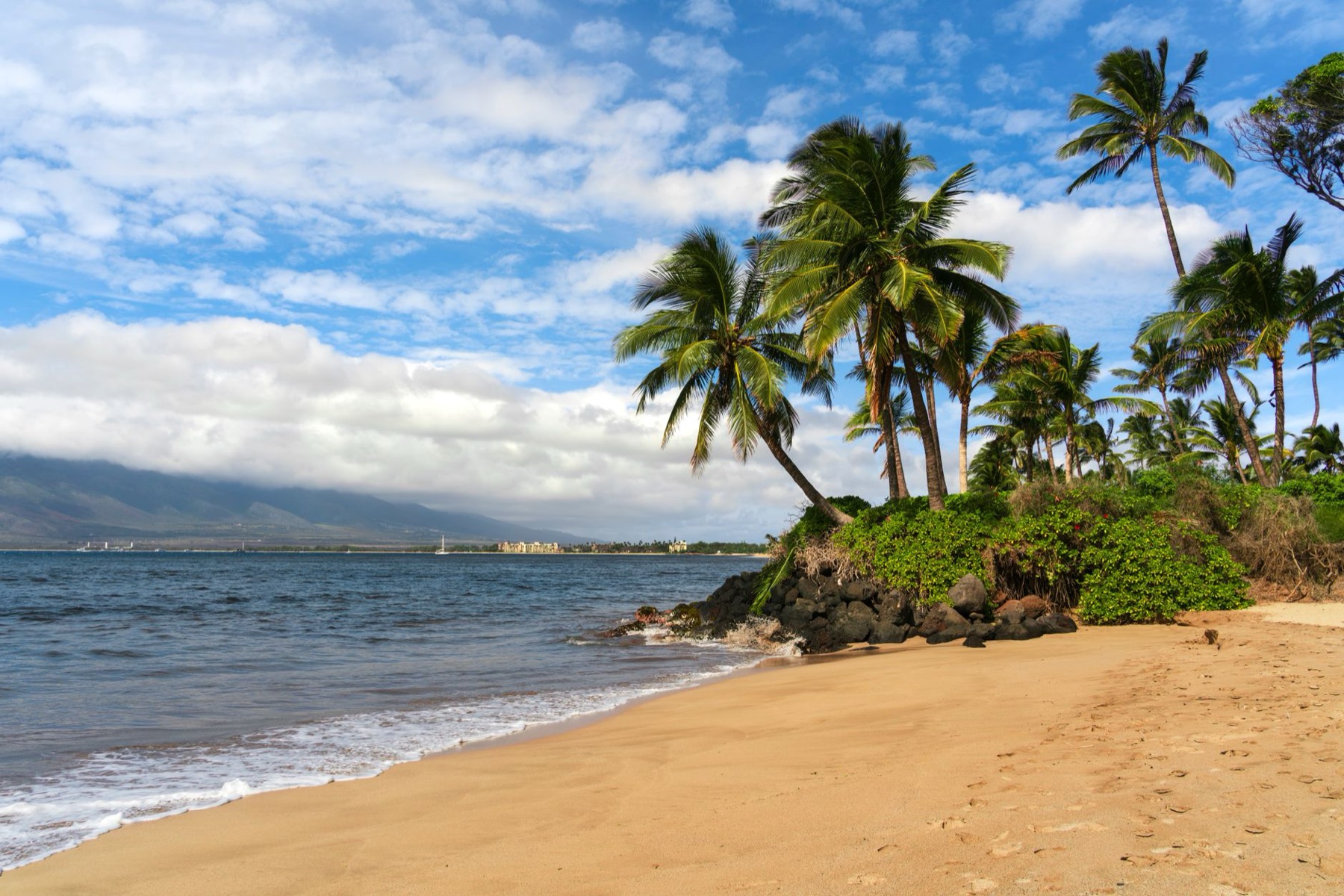
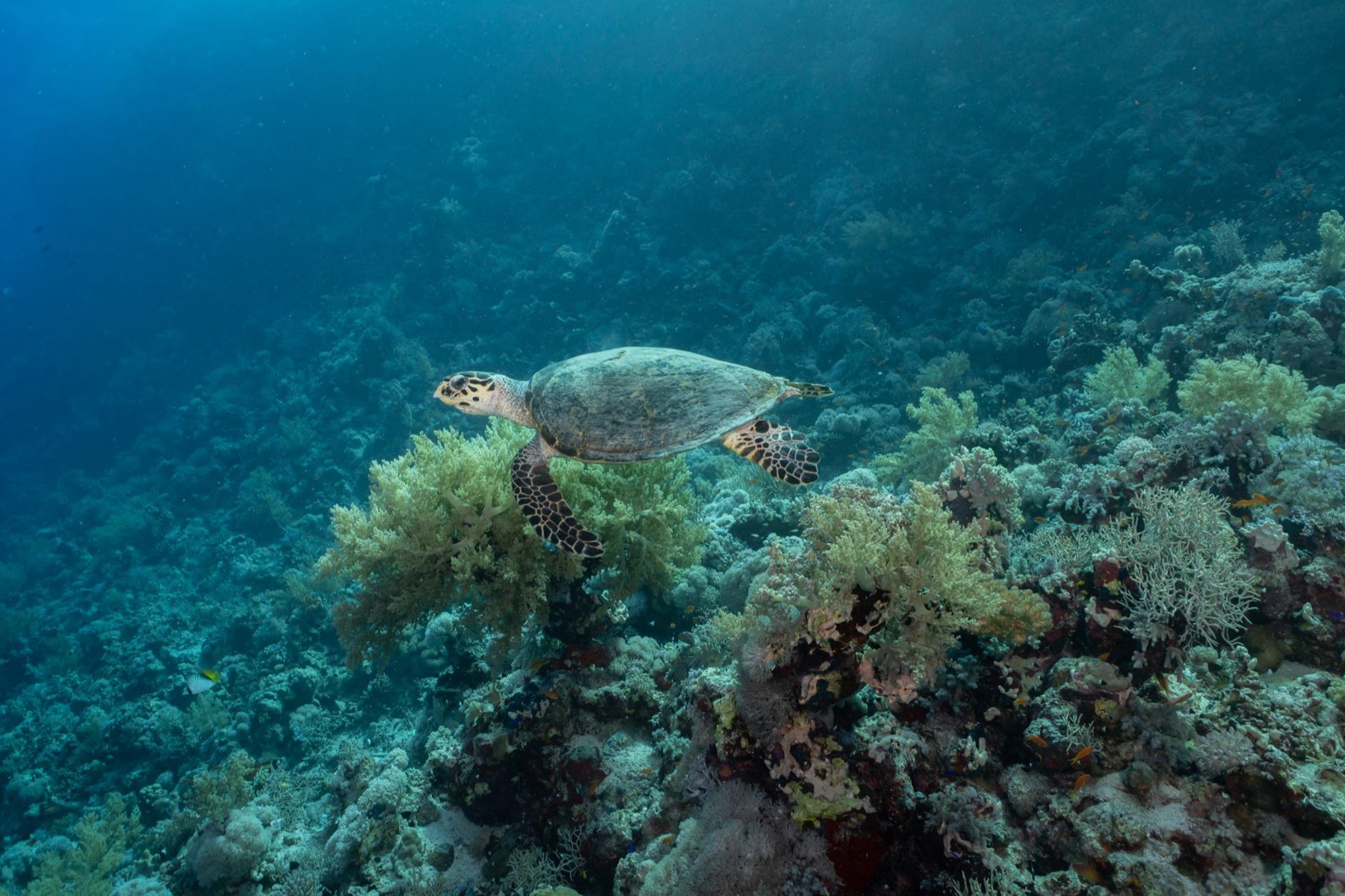
Maui's best known snorkel trip goes to Molokini, a small half-sunken volcanic crater offshore with very clear water. Along the south and west shores, many beaches have reefs where green sea turtles feed. Snorkel boats also visit the island of Lanai. Maui works well for families who want easy snorkeling with some boat trips mixed in.

Molokini CraterGreen sea turtlesFamily snorkeling
Best timing

Most Caribbean dive spots are good all year, with calmer seas and less rain from late winter to spring. Hurricane season runs from June to November. Hawaii can be dived all year, with calmer south and west shores in summer. Fiji is drier and has clearer water from about May to October.

Talk to us: (888) 520-3908

Questions

Do I need to be certified to dive?

To dive on your own with a buddy, yes. If you are not certified, many places offer a short intro dive with an instructor in shallow water. You can also get fully certified on your trip. Some people do the class work at home first so they spend more vacation time in the water.

How long should I wait to fly after diving?

Common guidance is to wait at least 12 hours after a single dive and at least 18 hours after several dives or several days of diving. Many divers plan a full day off before flying. We build that rest day into your trip so you do not have to cut your diving short.

Is snorkeling safe for kids and weak swimmers?

Yes, with the right place and gear. Choose calm, shallow beaches or guided boat trips that offer flotation vests. Stay with an adult and stay close to shore. Many places on this list have protected bays that are good for first-time snorkelers. We can point you to the easier spots.

Should I bring my own dive gear?

Many divers bring a mask, fins and a dive computer, since fit matters most for those. Heavier gear like tanks and weights is supplied, and most dive shops rent the rest. Bringing your own gear means less to worry about, but it adds weight to your bags. We can check rental options ahead of time.